
In our vibrant preschool classroom, where creativity flows freely and every child’s imagination is celebrated, a heartwarming story unfolds that showcases the power of friendship and support among our young learners.
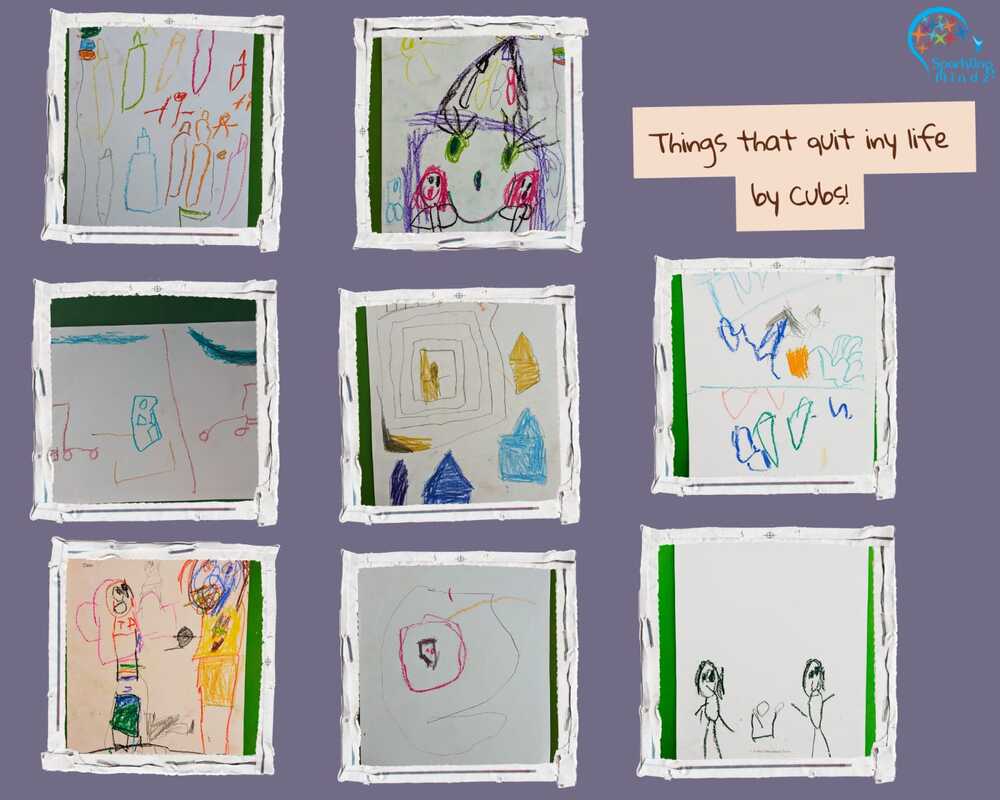
One morning, our 4-5 year olds were engaged in painting their holiday experience, G was happily working on her painting when she accidentally spilled water all over her paper. She looked distressed and unsure of what to do next. "I need another paper," she said, her voice trembling with worry.
P, noticing G’s predicament, immediately offered a reassuring smile. "It’s okay, put more paint on it. It will dry," she suggested kindly. Her words were filled with the wisdom of someone who had faced similar situations before and had learned to turn them into opportunities.
V, another classmate who had overheard the conversation, chimed in supportively. "Yes, that’s how I did it one day," he said, recalling his own experience with a similar mishap. His encouragement added weight to P’s suggestion, showing G that it was possible to make something beautiful out of what seemed like a mistake.
Encouraged by her friends, G decided to give it a try. She hesitated at first, but with renewed confidence, she dipped her brush into vibrant colors and started painting over the wet paper. As she worked, she began to see new possibilities emerging from the water stain. "Okay, it can be the machine," she declared with a smile, transforming her initial distress into a burst of creativity.
What could have been a moment of frustration turned into an inspiring lesson about resilience and the importance of a supportive community. G’s experience showed that mistakes are just opportunities in disguise and that with the encouragement of friends, any challenge can be overcome.
Furher focusing on learning and not about creating a perfect outcome of something.
#sparklingmindzglobalpreschool
#inspiringconfidentlearners
#empathyinaction
#everychildcan
#selfexpression


 RSS Feed